



Exploring GLP-1 Medications: Indications, Benefits, Side Effects, and Implications for Oral Health and Patient Care
The first medication containing a glucagon-like peptide-1 receptor agonist (GLP-1 RA or GLP-1) was FDA-approved in 2005 for treatment of Type 2 diabetes mellitus (DM), and since then numerous GLP-1s have been approved to treat DM and/or obesity.1The RX Index. GLP-1 FDA Approvals Timeline: Every Major Approval From 2005 to 2026. Updated April 25, 2026. https://therxindex.com/guides/glp-1-fda-approvals-timeline/.,2Gonzalez-Rellan MJ, Drucker DJ. The expanding benefits of GLP-1 medicines. Cell Rep Med 2025;15;6(7):102214. doi:10.1016/j.xcrm.2025.102214. By 2024, an estimated 26% of adults in the US with diagnosed diabetes used injectable forms of GLP-1, while 16.5% of adults without DM who were overweight were prescribed GLP-1s.3Vahratian A, Warren A. GLP-1 injectable use among adults with diagnosed diabetes: United States, 2024. NCHS Data Brief 2025;537:1-8. doi: https://dx.doi.org/10.15620/cdc/174616.,4FairHealth. Use of GLP-1 Drugs to Treat Overweight or Obesity Increased 587 Percent from 2019 to 2024. https://www.fairhealth.org/press-release/use-of-glp-1-drugs-to-treat-overweight-or-obesity-increased-587-percent-from-2019-to-2024-according-to-new-fair-health-study. Specific GLP-1s are also prescribed to treat obstructive sleep apnea with obesity, and to manage comorbidities in patients with DM (metabolic liver disease, diabetic renal disease, and risk for major cardiovascular disease events).2Gonzalez-Rellan MJ, Drucker DJ. The expanding benefits of GLP-1 medicines. Cell Rep Med 2025;15;6(7):102214. doi:10.1016/j.xcrm.2025.102214.,3Vahratian A, Warren A. GLP-1 injectable use among adults with diagnosed diabetes: United States, 2024. NCHS Data Brief 2025;537:1-8. doi: https://dx.doi.org/10.15620/cdc/174616.,4FairHealth. Use of GLP-1 Drugs to Treat Overweight or Obesity Increased 587 Percent from 2019 to 2024. https://www.fairhealth.org/press-release/use-of-glp-1-drugs-to-treat-overweight-or-obesity-increased-587-percent-from-2019-to-2024-according-to-new-fair-health-study.,5Abu-Nejim H, Becker RC. Current Perspectives on GLP-1 Agonists in Contemporary Clinical Practice from Science and Mechanistic Foundations To Optimal Translation. Curr Atheroscler Rep 2025;27(1):99. doi:10.1007/s11883-025-01350-7.
GLP-1s are now available as oral or weekly/daily injectable medications for approved indications, with approval and brand names varying by country. Those available in the US include semaglutide (Ozempic, Ryselbus, Wegovy), dulaglutide (Trulicity), liraglutide (Victoza, Saxenda), tirzepatide which combines both a gastric inhibitory peptide (GIP) and GLP-1 (Mounjaro, Zepbound), and orforglipron (Foundayo).6Bolt Pharmacy. Does GLP-1 Increase Resting Heart Rate? UK Clinical Evidence. Updated April 16, 2026. https://www.boltpharmacy.co.uk/guide/does-glp-1-increase-resting-heart-rate.,7Eli Lilly. FDA approves Lilly's Foundayo™ (orforglipron), the only GLP-1 pill for weight loss that can be taken any time of day without food or water restrictions. https://www.patientcareonline.com/view/fda-approves-orforglipron-first-oral-glp-1-receptor-agonist-for-weight-loss-with-no-food-or-water-restrictions#:~:text=The%20agency%27s%20decision%2C%20announced%20April%201%2C%202026%2C%20is,before%20eating%2C%20drinking%2C%20or%20taking%20other%20oral%20medications.%C2%B2 Given the increasing likelihood that dental professionals are seeing patients taking these medications, it is important to understand their potential benefits, mechanisms of action, and potential side effects that may require management.
Efficacy and Potential Benefits
As noted in the 2022 consensus report from the American Diabetes Association and the European Association for the Study of Diabetes, GLP-1s offer a high/very high degree of efficacy as part of the management of hyperglycemia in patients with DM.8Davies MJ, Aroda VR, Collins BS et al. Management of Hyperglycemia in Type 2 Diabetes, 2022. A Consensus Report by the American Diabetes Association (ADA) and the European Association for the Study of Diabetes (EASD). Diabetes Care 2022;45(11):2753-86. doi:10.2337/dci22-0034. In addition, several large clinical trials and population-based studies on cardiovascular outcomes with use of specific GLP-1s have been conducted in patients with DM.9Andreasen CR, Andersen A, Knop FK et al. How glucagon-like peptide 1 receptor agonists work. Endocr Connect 2021;10(7):R200-12. A retrospective population-based cohort study included data for 2015 through 2022 for approximately 173,000 adults receiving at least 2 courses of treatment with a GLP-1 at least 6 months apart.10Shah J, Makwana B, Panchal K et al. Glucagon-Like Peptide-1 Receptor Agonists and Risk of Systemic and Ocular Vascular Complications in Patients With Type 2 Diabetes and Diabetic Retinopathy. Am J Ophthalmol 2026;288:131-42. doi: 10.1016/j.ajo.2026.04.021. The researchers concluded that treatment reduced risk for events involving myocardial infarction, ischemic stroke, exacerbated heart failure, coronary artery revascularization, lower limb amputation or acute renal injury.
With respect to weight loss, GLP-1s are effective in adults, adolescents and children. In one systematic review in adults, GLP-1s were effective for weight loss and more so for women than men, while no differences in efficacy were found based on age, ethnicity or baseline glycemic parameters.11Alexander GC, Xiao X, Dilek S et al. Heterogeneity of Treatment Effects of Glucagon-Like Peptide-1 Receptor Agonists for Weight Loss in Adults: A Systematic Review and Meta-Analysis. JAMA Intern Med 2026;186(5):567-77. doi: 10.1001/jamainternmed.2025.8222. In a systematic review and meta-analysis of fourteen randomized controlled trials in children and adolescents, compared to placebo significant reductions in weight and body mass index and improvements in glycemic measures were found for semaglutide, liraglutide, and dulaglutide.12Chen Q, Liu H, Xu J et al. Efficacy and safety of GLP-1 receptor agonists for adolescents and children with obesity: a meta-analysis of randomized controlled trials. BMC Endocr Disord 2026;26(1):132. doi:10.1186/s12902-026-02248-4. Reduced risk for serious infections is reported, and in one systematic review and meta-analysis considered partly attributable to the effects of weight loss and improved glycemic control.13Han S, Liu Y, Xing B et al. Association of glucagon-like peptide-1 receptor agonist use with risk of infections: A systematic review and meta-analysis. J Infec 2025;91.
In addition, based on findings for a population-based study (2024), the researchers suggested that patients with certain inflammatory conditions such as psoriatic disease and inflammatory bowel disease may benefit from treatment with GLP-1s, as well as individuals with neurocognitive diseases, while noting that more studies were needed.14Karacabeyli D, Lacaille D, Lu N et al. Mortality and major adverse cardiovascular events after glucagon-like peptide-1 receptor agonist initiation in patients with immune-mediated inflammatory diseases and type 2 diabetes: A population-based study. PLoS ONE 2024;19(8):e0308533. https://doi.org/10.1371/journal.pone.0308533 A large observational cohort study (2026) is supportive of a lower risk of incident Parkinson's disease with GLP-1s compared to sulfonylurea.15Engström A, Svanström H, Hviid A et al. Use of Glucagon-Like Peptide-1 Receptor Agonists and Risk of Parkinson's Disease: Scandinavian Cohort Study. Diabetes Obes Metab 2026;28(7):5767-78. doi:10.1111/dom.70760. However, based on results from two large international multicenter double-blind phase 3 clinical trials conducted between 2021 and 2025, daily oral semaglutide medication failed to slow disease progression in patients with early Alzheimer’s disease.16Cummings J, Atri A, Sano M et al. Efficacy and safety of oral semaglutide 14 mg (flexible dose) in early-stage symptomatic Alzheimer's disease (evoke and evoke+): two phase 3, randomised, placebo-controlled trials. The Lancet 2026;407:2167-79.
Interestingly, in a literature review published in 2022 that included pre-clinical research and clinical observational studies, a positive link between periodontal health and GLP-1s was reported.17Polymeri A, Feres M, Giannobile WV, Loos BG. GLP-1 receptor agonists: Bridging diabetes, obesity, and periodontitis-A scoping review of emerging evidence. J Periodontol 2026;93:1257-56. https://aap.onlinelibrary.wiley.com/doi/epdf/10.1002/jper.70092. In limited observational studies, endogenous GLP-1 was reduced in patients with periodontitis and increases in endogenous GLP-1 have been found in patients who had received periodontal therapy.
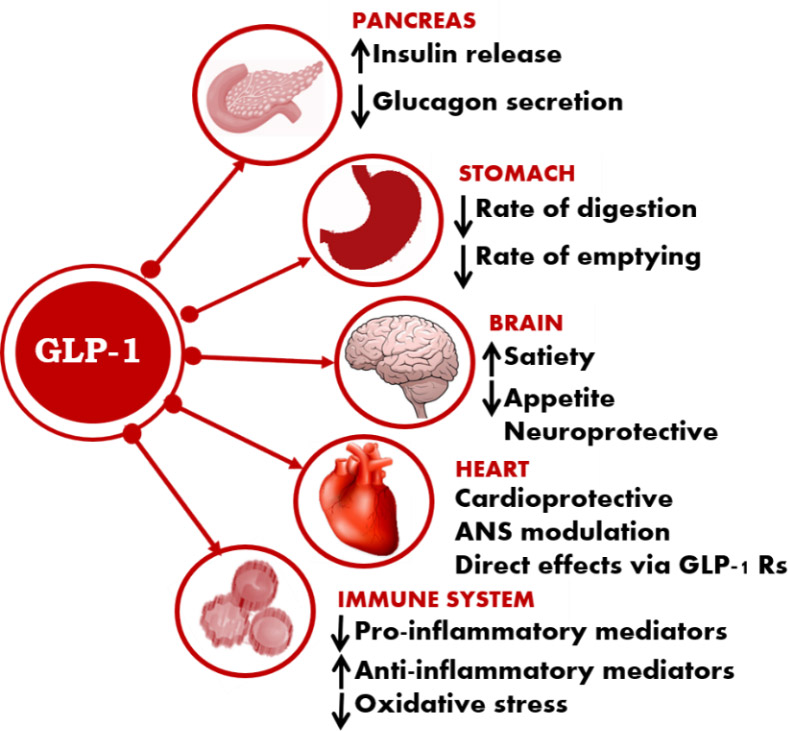
Figure 1. Reported mechanisms of action for GLP-1
Mechanisms of Action for GLP-1 Medications
GLP-1 medications mimic glucagon-like peptide 1, an incretin hormone produced in the digestive system after eating. They bind to GLP-1 receptors in the body and, unlike natural GLP-1, resist rapid degradation by the endogenous enzyme dipeptidyl peptidase IV.18Mentlein R. Mechanisms underlying the rapid degradation and elimination of the incretin hormones GLP-1 and GIP. Best Practice & research. Clin Endocrinol Metabol 2009;23(4):443-52. doi:10.1016/j.beem.2009.03.005. The mechanisms of action for GLP-1s include stimulating insulin release and suppressing glucagon from α-cells in the pancreas, which helps to regulate blood sugar, reducing appetite and food intake, slowing gastric emptying and digestion, and increasing satiety.8Davies MJ, Aroda VR, Collins BS et al. Management of Hyperglycemia in Type 2 Diabetes, 2022. A Consensus Report by the American Diabetes Association (ADA) and the European Association for the Study of Diabetes (EASD). Diabetes Care 2022;45(11):2753-86. doi:10.2337/dci22-0034.,10Shah J, Makwana B, Panchal K et al. Glucagon-Like Peptide-1 Receptor Agonists and Risk of Systemic and Ocular Vascular Complications in Patients With Type 2 Diabetes and Diabetic Retinopathy. Am J Ophthalmol 2026;288:131-42. doi: 10.1016/j.ajo.2026.04.021.,19Garber AJ. Novel GLP-1 receptor agonists for diabetes. Expert Opin Investig Drugs 2012;21(1):45-57. doi:10.1517/13543784.2012.638282. Proposed mechanisms with respect to cardiovascular benefits include autonomic nervous system (ANS) modulation and potential direct cardiac effects via GLP-1 receptors.6Bolt Pharmacy. Does GLP-1 Increase Resting Heart Rate? UK Clinical Evidence. Updated April 16, 2026. https://www.boltpharmacy.co.uk/guide/does-glp-1-increase-resting-heart-rate. For chronic inflammatory diseases, reported mechanisms of action include modulation of the inflammatory response through decreased levels of pro-inflammatory mediators, increased levels of anti-inflammatory mediators, and reductions in oxidative stress.9Andreasen CR, Andersen A, Knop FK et al. How glucagon-like peptide 1 receptor agonists work. Endocr Connect 2021;10(7):R200-12.,20Pandey S, Mangmool S, Parichatikanond W. Multifaceted Roles of GLP-1 and Its Analogs: A Review on Molecular Mechanisms with a Cardiotherapeutic Perspective. Pharmaceuticals 2023;16(6):836. https://doi.org/10.3390/ph16060836. (Figure 1) However, a complete understanding on the mechanisms by which GLP-1s provide benefits, other than through weight loss, is absent.9Andreasen CR, Andersen A, Knop FK et al. How glucagon-like peptide 1 receptor agonists work. Endocr Connect 2021;10(7):R200-12.
Systemic side effects
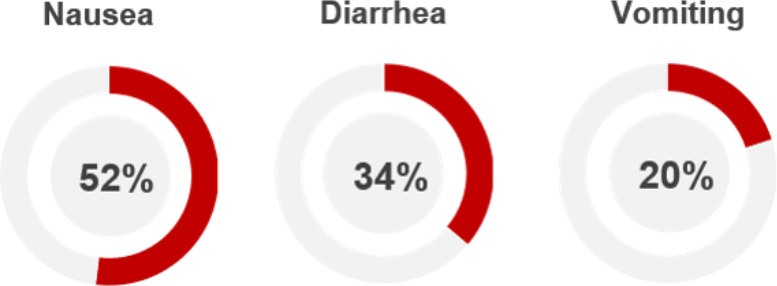
The most common side effects for GLP-1s are gastrointestinal, and in an umbrella review of 60 meta-analyses (1751 randomized clinical trials with approximately three million participants), the most consistent side effects were nausea, vomiting and diarrhea.8Davies MJ, Aroda VR, Collins BS et al. Management of Hyperglycemia in Type 2 Diabetes, 2022. A Consensus Report by the American Diabetes Association (ADA) and the European Association for the Study of Diabetes (EASD). Diabetes Care 2022;45(11):2753-86. doi:10.2337/dci22-0034.,12Chen Q, Liu H, Xu J et al. Efficacy and safety of GLP-1 receptor agonists for adolescents and children with obesity: a meta-analysis of randomized controlled trials. BMC Endocr Disord 2026;26(1):132. doi:10.1186/s12902-026-02248-4.,21Thomsen RW, Mailhac A, Løhde JB, Pottegård A. Real-world evidence on the utilization, clinical and comparative effectiveness, and adverse effects of newer GLP-1RA-based weight-loss therapies. Diabetes Obes Metab 2025;27(Suppl 2):66-88. doi:10.1111/dom.16364.,22Bozick R, Donofry SD, Rancaño KM. New Weight Loss Drugs. GLP-1 Agonist Use and Side Effects in the United States, Aug 6, 2025. https://www.rand.org/pubs/research_reports/RRA4153-1.html.,23Yang K, Liu C, Guo Q, Li Y. GLP-1 Receptor Agonists and Noncardiometabolic Outcomes: An Umbrella Review of Meta-Analyses. JAMA Netw Open 2026;9(3):e264722. doi:10.1001/jamanetworkopen.2026.4722. These events are most prevalent when treatment is initiated or when higher doses are prescribed, and the effect tails off over time.8Davies MJ, Aroda VR, Collins BS et al. Management of Hyperglycemia in Type 2 Diabetes, 2022. A Consensus Report by the American Diabetes Association (ADA) and the European Association for the Study of Diabetes (EASD). Diabetes Care 2022;45(11):2753-86. doi:10.2337/dci22-0034.,11Alexander GC, Xiao X, Dilek S et al. Heterogeneity of Treatment Effects of Glucagon-Like Peptide-1 Receptor Agonists for Weight Loss in Adults: A Systematic Review and Meta-Analysis. JAMA Intern Med 2026;186(5):567-77. doi: 10.1001/jamainternmed.2025.8222. Based on an evaluation of internet survey data from the RAND American Life Panel (April-May 2025),24Pollard MS, Barid MD. The RAND American Life Panel Technical Description, July 26, 2017. https://www.rand.org/pubs/research_reports/RR1651.html. among more than 1200 participants taking GLP-1s an estimated 52%, 34% and 20% of participants, respectively, experienced nausea, diarrhea and vomiting.22Bozick R, Donofry SD, Rancaño KM. New Weight Loss Drugs. GLP-1 Agonist Use and Side Effects in the United States, Aug 6, 2025. https://www.rand.org/pubs/research_reports/RRA4153-1.html. In the majority of cases, these side effects were reported to be mild. (Figure 2)
Figure 2. Participants experiencing common gastrointestinal side effects22Bozick R, Donofry SD, Rancaño KM. New Weight Loss Drugs. GLP-1 Agonist Use and Side Effects in the United States, Aug 6, 2025. https://www.rand.org/pubs/research_reports/RRA4153-1.html.
In a systematic review of 55 RCT a range of only other gastrointestinal effects was evaluated.25Chiang CH, Jaroenlapnopparat A, Colak S C et al. Glucagon-like peptide-1 receptor agonists and gastrointestinal adverse events: a systematic review and meta-analysis. Gastroenterol 2025;169:1268-81. GLP-1s were found to increase risk for gallstones by 46% (risk ratio 1.46, range 1.09-1.97) and to likely result in a more than two-fold risk for gastro-esophageal reflux disease (GERD). There have been rare reports of other conditions, including gastroparesis (delayed stomach emptying in the absence of obstructions), pancreatitis, gallbladder-related issues, bowel obstruction, and severe dehydration.21Thomsen RW, Mailhac A, Løhde JB, Pottegård A. Real-world evidence on the utilization, clinical and comparative effectiveness, and adverse effects of newer GLP-1RA-based weight-loss therapies. Diabetes Obes Metab 2025;27(Suppl 2):66-88. doi:10.1111/dom.16364. The American Society of Anesthesiologists provides guidance on whether to continue/stop use of GLP-1s prior to elective surgery, as well as on a liquid diet, based on patient-specific considerations including risk level for significant gastrointestinal side effects and risk of aspiration.26American Society of Anesthesiologists. New Multi-society Clinical Practice Guidance Released. Most Patients Can Continue Diabetes, Weight Loss GLP-1 Drugs Before Surgery, Those at Highest Risk for GI Problems Should Follow Liquid Diet Before Procedure. October 29, 2024. https://www.asahq.org/about-asa/newsroom/news-releases/2024/10/new-multi-society-glp-1-guidance. With respect to risk for pancreatitis, the results of two meta-analyses were in conflict, while in a review of real-world studies it was concluded that risk of pancreatitis was unclear.21Thomsen RW, Mailhac A, Løhde JB, Pottegård A. Real-world evidence on the utilization, clinical and comparative effectiveness, and adverse effects of newer GLP-1RA-based weight-loss therapies. Diabetes Obes Metab 2025;27(Suppl 2):66-88. doi:10.1111/dom.16364. Pancreatitis is listed as a potential side effect in the prescribing information for GLP-1s.
Non-gastrointestinal side effects include a modestly elevated heart rate, a hollowed out face (‘Ozempic face’) resulting from a substantial loss in facial volume while rapidly losing weight, and hair loss – which also occurs with nutritional deficiencies.20Pandey S, Mangmool S, Parichatikanond W. Multifaceted Roles of GLP-1 and Its Analogs: A Review on Molecular Mechanisms with a Cardiotherapeutic Perspective. Pharmaceuticals 2023;16(6):836. https://doi.org/10.3390/ph16060836.,22Bozick R, Donofry SD, Rancaño KM. New Weight Loss Drugs. GLP-1 Agonist Use and Side Effects in the United States, Aug 6, 2025. https://www.rand.org/pubs/research_reports/RRA4153-1.html.,27Diabetes in Control. GLP-1s and Autonomic Function: Understanding Heart Rate Changes in Clinical Practice, Feb 25, 2026. https://www.diabetesincontrol.com/glp-1-heart-rate-effects/.,28Catalfamo L, De Ponte FS, De Rinaldis D. “Ozempic Face”: An Emerging Drug-Related Aesthetic Concern and Its Treatment with Endotissutal Bipolar Radiofrequency (RF)—Our Experience. J Clin Med 2025;14(15):5269. https://doi.org/10.3390/jcm14155269. In a recent review of 24 studies and pharmacovigilance data, hair loss was found to occur at higher doses of GLP-1s used for weight loss, more frequently in women, and the incidence and type of hair loss varied by specific medication.29Gupta AK, Teasell EM, Economopoulos V, Mirmirani P. GLP-1 therapies and hair loss: A systematic review of current evidence and implications for counseling. Sci Prog 2026;109(2):368504261444578. doi:10.1177/00368504261444578. A further side effect related to weight loss is the loss of lean body mass (muscle mass).30Ceasovschih A, Asaftei A, Lupo MG et al. Glucagon-like peptide-1 receptor agonists and muscle mass effects. Pharmacol Res 2025;220:107927. (Table 1)
| Table 1. Systemic side effects for GLP-1s |
|---|
| Nausea and vomiting |
| Diarrhea |
| GERD |
| Gastroparesis |
| Increased risk for gallstones |
| Bowel obstruction |
| Pancreatitis |
| Dehydration |
| Hair loss |
| Gaunt/hollowed out face |
| Loss of lean body mass |
| Elevated heart rate (modest) |
While other side effects are reported, it is outside the scope of this article to address all potential adverse events or other specifics for a given GLP-1. For more information, the reader should consult the full prescribing information for specific medications patients are taking.
Oral effects of GLP-1 medications
Reported oral side effects for GLP-1s include moderate to severe dry mouth, hypoesthesia (reduced sensitivity to sensory stimuli), dysgeusia whereby foods and liquids taste metallic, bitter, or sour, taste qualities are reduced, and halitosis may be present.31Barać M, Roganović J. GLP-1 receptor signalling and oral dysfunction: a narrative review on the mechanistic basis of semaglutide-related oral adverse effects. Biology (Basel) 2025. doi:10.3390/biology14121650.,32Shu Y, He X, Wu P et al. Gastrointestinal adverse events associated with semaglutide: A pharmacovigilance study based on FDA adverse event reporting system. Front Pub Health 2022;10:996179.,33Khan FI, Vazquez SG, Mehdi Z et al. Otolaryngologic Side Effects of GLP-1 Receptor Agonists. Laryngoscope 2025;135(7):2291-8. doi:10.1002/lary.32061.,34Mawardi HH, Almazrooa SA, Dakhil SA et al. Semaglutide-associated hyposalivation: A report of case series. Medicine 2023;102:e36730.,35NY State Dental Association. What your patients should know. https://www.nysdental.org/news-publications/news/2025/10/23/glp-1s-and-oral-health--what-your-patients-should-know.,36Sanders K. Oral care considerations for patients using semaglutide, similar medications. https://adanews.ada.org/ada-news/2025/october/oral-care-considerations-for-patients-using-semaglutide-similar-medications/. Dry mouth associated with GLP-1 use is proposed to occur through mechanisms that reduce the sensitivity of GLP-1 receptors present in salivary glands, resulting in salivary gland dysfunction and decreased saliva production.31Barać M, Roganović J. GLP-1 receptor signalling and oral dysfunction: a narrative review on the mechanistic basis of semaglutide-related oral adverse effects. Biology (Basel) 2025. doi:10.3390/biology14121650. In addition, based on pharmacovigilance data, it has been suggested that dry mouth may be reported more frequently for semaglutide than for other GLP-1s.31Barać M, Roganović J. GLP-1 receptor signalling and oral dysfunction: a narrative review on the mechanistic basis of semaglutide-related oral adverse effects. Biology (Basel) 2025. doi:10.3390/biology14121650.
Dry mouth causes discomfort and in severe cases greatly reduced oral health-related quality of life. Reduced salivary flow results in reduced buffering capacity and oral clearance, thereby increasing risk for dental caries, dental erosion and sensitivity, plaque accumulation, halitosis, oral irritations, oral infections, and hoarseness.37Benn AM, Broadbent JM, Thomson WM. Occurrence and impact of xerostomia among dentate adult New Zealanders: findings from a national survey. Aust Dent J 2015;60:362-7.,38Jensen S, Pedersen A, Vissink A et al. A systematic review of salivary gland hypofunction and xerostomia induced by cancer therapies: prevalence, severity and impact on quality of life. Support Care Cancer 2010;18:1039-60.,39Scully C. Drug effects on salivary glands: dry mouth. Oral Dis 2003;9:165-76.,40Pedersen AML, Sørensen CE, Proctor GB et al. Salivary secretion in health and disease. J Oral Rehabil 2018;45(9):730-46. doi: 10.1111/joor.12664.,41Silva MF, Leite FRM, Ferreira, LB et al. Estimated prevalence of halitosis: a systematic review and meta-regression analysis. Clin Oral Invest 2018;2247-55.,42Stoopler ET, Villa A, Bindakhil M et al. Common Oral Conditions: A Review. J Am Med Assoc 2024;331(12):1045-54. doi: 10.1001/jama.2024.0953. In the case of patients with GERD or vomiting, dry mouth exacerbates an already increased risk for dental erosion associated with exposure to gastric acids.43Moazzez R, Bartlett D, Anggiansah A. Dental erosion, gastro-oesophageal reflux disease and saliva: how are they related? J Dent 2004;32(6):489-94. doi:10.1016/j.jdent.2004.03.004. Additionally, dry mouth can result in malnutrition due to difficulty eating and swallowing, while malnutrition promotes dry mouth.44Flink H. Studies on the prevalence of reduced salivary flow rate in relation to general health and dental caries, and effect of iron supplementation. Swed Dent J Suppl 2007;192:3-50.,45Iwasaki M, Yoshihara A, Ito K et al. Hyposalivation and dietary nutrient intake among community-based older Japanese. Geriatr Gerontol Int 2016;16:500-7.
| Table 2. Oral side effects for GLP-1s |
|---|
| Dry mouth |
| Increased risk for caries due to dry mouth |
| Increased risk for dental erosion secondary to nausea and vomiting, GERD, dry mouth |
| Sensitivity secondary to dental erosion |
| Dysgeusia with metallic, bitter, or sour taste sensations |
| Halitosis |
| Plaque accumulation |
Implications for Dental Professionals and Patient Care
DM and obesity are currently the main indications for GLP-1s, and as of 2023 the prevalence of obesity and severe obesity among Americans was approximately 40% and 10% respectively, while in the same year an estimated 12% and 35% of individuals, respectively, had DM and pre-diabetes.46CDC. National Diabetes Statistics Report, January 21, 2026. https://www.cdc.gov/diabetes/php/data-research/index.html.,47Forbes. Key GLP-1 Statistics & Trends In 2026 (Jun 4, 2026). https://www.forbes.com/health/weight-loss/glp-1-statistics/#footnote_21. Further, it is projected that by 2030 up to 30 million Americans may be taking these medications.47Forbes. Key GLP-1 Statistics & Trends In 2026 (Jun 4, 2026). https://www.forbes.com/health/weight-loss/glp-1-statistics/#footnote_21. Therefore, dental professionals can anticipate seeing an increasing number of patients taking GLP-1s, with implications for their care.
Patient management (as in all cases) begins with a thorough and current medical history in order to appropriately manage and treat patients. All patients should receive a full intraoral evaluation and risk assessment for dental caries, dental erosion and periodontal disease, as well as oral hygiene instruction including use a soft or ultra-soft bristled brush. Patients with GERD or experiencing nausea and vomiting should be advised to avoid brushing immediately after such episodes, and to rinse with a glass of water containing one teaspoon of sodium bicarbonate (baking soda) to help restore intra-oral buffering and increase the intraoral pH, or to rinse with milk or water.48American Dental Association. Dental erosion. https://www.ada.org/resources/ada-library/oral-health-topics/dental-erosion.
For patients with dry mouth, warranted advice includes the use of saliva substitutes to relieve discomfort, non-acidic sugar-free chewing gum containing xylitol (unless contraindicated) to stimulate saliva, and avoidance of sour or sugar-containing candies. In addition, patients can be advised to take frequent sips of water, stay hydrated, and avoid alcohol, spicy foods, sharp crunchy foods, and tobacco. Recommended interventions for the prevention and control of dental caries include in-office fluorides and high-concentration home-use fluorides (5,000 ppm).
Conclusions
GLP-1 medications are prescribed primarily for the treatment of DM and co-morbidities, and weight loss, while research continues on other indications. More research is required to fully understand the mechanisms of action for GLP-1s, long-term effects of GLP-1s for weight loss, and real-world studies on comparative efficacy and adverse events are needed.9Andreasen CR, Andersen A, Knop FK et al. How glucagon-like peptide 1 receptor agonists work. Endocr Connect 2021;10(7):R200-12.,21Thomsen RW, Mailhac A, Løhde JB, Pottegård A. Real-world evidence on the utilization, clinical and comparative effectiveness, and adverse effects of newer GLP-1RA-based weight-loss therapies. Diabetes Obes Metab 2025;27(Suppl 2):66-88. doi:10.1111/dom.16364. In addition, robust clinical trials are needed to determine evidence for potential indications, including adjunctive use of GLP-1s as a component of periodontal therapy.17Polymeri A, Feres M, Giannobile WV, Loos BG. GLP-1 receptor agonists: Bridging diabetes, obesity, and periodontitis-A scoping review of emerging evidence. J Periodontol 2026;93:1257-56. https://aap.onlinelibrary.wiley.com/doi/epdf/10.1002/jper.70092.
In the meantime, given the exponential growth in the use of GLP-1s, dental professionals can expect to see an increasing number of patients who are taking GLP-1s, with implications for patient care. A thorough and current medical history is essential to identify patients taking GLP-1s, in order to provide appropriate oral health advice, and for the management and prevention of oral conditions associated with GLP-1 side effects. In addition, patients benefit from understanding the potential direct and indirect oral side effects of GLP-1s, and from receiving advice on maintaining adequate hydration and appropriate nutrition.49American Dental Association. ADA News, October 23, 2025. https://adanews.ada.org/ada-news/2025/october/oral-care-considerations-for-patients-using-semaglutide-similar-medications/
References
- 1.The RX Index. GLP-1 FDA Approvals Timeline: Every Major Approval From 2005 to 2026. Updated April 25, 2026. https://therxindex.com/guides/glp-1-fda-approvals-timeline/.
- 2.Gonzalez-Rellan MJ, Drucker DJ. The expanding benefits of GLP-1 medicines. Cell Rep Med 2025;15;6(7):102214. doi:10.1016/j.xcrm.2025.102214.
- 3.Vahratian A, Warren A. GLP-1 injectable use among adults with diagnosed diabetes: United States, 2024. NCHS Data Brief 2025;537:1-8. doi: https://dx.doi.org/10.15620/cdc/174616.
- 4.FairHealth. Use of GLP-1 Drugs to Treat Overweight or Obesity Increased 587 Percent from 2019 to 2024. https://www.fairhealth.org/press-release/use-of-glp-1-drugs-to-treat-overweight-or-obesity-increased-587-percent-from-2019-to-2024-according-to-new-fair-health-study.
- 5.Abu-Nejim H, Becker RC. Current Perspectives on GLP-1 Agonists in Contemporary Clinical Practice from Science and Mechanistic Foundations To Optimal Translation. Curr Atheroscler Rep 2025;27(1):99. doi:10.1007/s11883-025-01350-7.
- 6.Bolt Pharmacy. Does GLP-1 Increase Resting Heart Rate? UK Clinical Evidence. Updated April 16, 2026. https://www.boltpharmacy.co.uk/guide/does-glp-1-increase-resting-heart-rate.
- 7.Eli Lilly. FDA approves Lilly’s Foundayo™ (orforglipron), the only GLP-1 pill for weight loss that can be taken any time of day without food or water restrictions. https://www.patientcareonline.com/view/fda-approves-orforglipron-first-oral-glp-1-receptor-agonist-for-weight-loss-with-no-food-or-water-restrictions#:~:text=The%20agency%27s%20decision%2C%20announced%20April%201%2C%202026%2C%20is,before%20eating%2C%20drinking%2C%20or%20taking%20other%20oral%20medications.%C2%B2
- 8.Davies MJ, Aroda VR, Collins BS et al. Management of Hyperglycemia in Type 2 Diabetes, 2022. A Consensus Report by the American Diabetes Association (ADA) and the European Association for the Study of Diabetes (EASD). Diabetes Care 2022;45(11):2753-86. doi:10.2337/dci22-0034.
- 9.Andreasen CR, Andersen A, Knop FK et al. How glucagon-like peptide 1 receptor agonists work. Endocr Connect 2021;10(7):R200-12.
- 10.Shah J, Makwana B, Panchal K et al. Glucagon-Like Peptide-1 Receptor Agonists and Risk of Systemic and Ocular Vascular Complications in Patients With Type 2 Diabetes and Diabetic Retinopathy. Am J Ophthalmol 2026;288:131-42. doi: 10.1016/j.ajo.2026.04.021.
- 11.Alexander GC, Xiao X, Dilek S et al. Heterogeneity of Treatment Effects of Glucagon-Like Peptide-1 Receptor Agonists for Weight Loss in Adults: A Systematic Review and Meta-Analysis. JAMA Intern Med 2026;186(5):567-77. doi: 10.1001/jamainternmed.2025.8222.
- 12.Chen Q, Liu H, Xu J et al. Efficacy and safety of GLP-1 receptor agonists for adolescents and children with obesity: a meta-analysis of randomized controlled trials. BMC Endocr Disord 2026;26(1):132. doi:10.1186/s12902-026-02248-4.
- 13.Han S, Liu Y, Xing B et al. Association of glucagon-like peptide-1 receptor agonist use with risk of infections: A systematic review and meta-analysis. J Infec 2025;91.
- 14.Karacabeyli D, Lacaille D, Lu N et al. Mortality and major adverse cardiovascular events after glucagon-like peptide-1 receptor agonist initiation in patients with immune-mediated inflammatory diseases and type 2 diabetes: A population-based study. PLoS ONE 2024;19(8):e0308533. https://doi.org/10.1371/journal.pone.0308533
- 15.Engström A, Svanström H, Hviid A et al. Use of Glucagon-Like Peptide-1 Receptor Agonists and Risk of Parkinson’s Disease: Scandinavian Cohort Study. Diabetes Obes Metab 2026;28(7):5767-78. doi:10.1111/dom.70760.
- 16.Cummings J, Atri A, Sano M et al. Efficacy and safety of oral semaglutide 14 mg (flexible dose) in early-stage symptomatic Alzheimer’s disease (evoke and evoke+): two phase 3, randomised, placebo-controlled trials. The Lancet 2026;407:2167-79.
- 17.Polymeri A, Feres M, Giannobile WV, Loos BG. GLP-1 receptor agonists: Bridging diabetes, obesity, and periodontitis-A scoping review of emerging evidence. J Periodontol 2026;93:1257-56. https://aap.onlinelibrary.wiley.com/doi/epdf/10.1002/jper.70092.
- 18.Mentlein R. Mechanisms underlying the rapid degradation and elimination of the incretin hormones GLP-1 and GIP. Best Practice & research. Clin Endocrinol Metabol 2009;23(4):443-52. doi:10.1016/j.beem.2009.03.005.
- 19.Garber AJ. Novel GLP-1 receptor agonists for diabetes. Expert Opin Investig Drugs 2012;21(1):45-57. doi:10.1517/13543784.2012.638282.
- 20.Pandey S, Mangmool S, Parichatikanond W. Multifaceted Roles of GLP-1 and Its Analogs: A Review on Molecular Mechanisms with a Cardiotherapeutic Perspective. Pharmaceuticals 2023;16(6):836. https://doi.org/10.3390/ph16060836.
- 21.Thomsen RW, Mailhac A, Løhde JB, Pottegård A. Real-world evidence on the utilization, clinical and comparative effectiveness, and adverse effects of newer GLP-1RA-based weight-loss therapies. Diabetes Obes Metab 2025;27(Suppl 2):66-88. doi:10.1111/dom.16364.
- 22.Bozick R, Donofry SD, Rancaño KM. New Weight Loss Drugs. GLP-1 Agonist Use and Side Effects in the United States, Aug 6, 2025. https://www.rand.org/pubs/research_reports/RRA4153-1.html.
- 23.Yang K, Liu C, Guo Q, Li Y. GLP-1 Receptor Agonists and Noncardiometabolic Outcomes: An Umbrella Review of Meta-Analyses. JAMA Netw Open 2026;9(3):e264722. doi:10.1001/jamanetworkopen.2026.4722.
- 24.Pollard MS, Barid MD. The RAND American Life Panel Technical Description, July 26, 2017. https://www.rand.org/pubs/research_reports/RR1651.html.
- 25.Chiang CH, Jaroenlapnopparat A, Colak S C et al. Glucagon-like peptide-1 receptor agonists and gastrointestinal adverse events: a systematic review and meta-analysis. Gastroenterol 2025;169:1268-81.
- 26.American Society of Anesthesiologists. New Multi-society Clinical Practice Guidance Released. Most Patients Can Continue Diabetes, Weight Loss GLP-1 Drugs Before Surgery, Those at Highest Risk for GI Problems Should Follow Liquid Diet Before Procedure. October 29, 2024. https://www.asahq.org/about-asa/newsroom/news-releases/2024/10/new-multi-society-glp-1-guidance.
- 27.Diabetes in Control. GLP-1s and Autonomic Function: Understanding Heart Rate Changes in Clinical Practice, Feb 25, 2026. https://www.diabetesincontrol.com/glp-1-heart-rate-effects/.
- 28.Catalfamo L, De Ponte FS, De Rinaldis D. “Ozempic Face”: An Emerging Drug-Related Aesthetic Concern and Its Treatment with Endotissutal Bipolar Radiofrequency (RF)—Our Experience. J Clin Med 2025;14(15):5269. https://doi.org/10.3390/jcm14155269.
- 29.Gupta AK, Teasell EM, Economopoulos V, Mirmirani P. GLP-1 therapies and hair loss: A systematic review of current evidence and implications for counseling. Sci Prog 2026;109(2):368504261444578. doi:10.1177/00368504261444578.
- 30.Ceasovschih A, Asaftei A, Lupo MG et al. Glucagon-like peptide-1 receptor agonists and muscle mass effects. Pharmacol Res 2025;220:107927.
- 31.Barać M, Roganović J. GLP-1 receptor signalling and oral dysfunction: a narrative review on the mechanistic basis of semaglutide-related oral adverse effects. Biology (Basel) 2025. doi:10.3390/biology14121650.
- 32.Shu Y, He X, Wu P et al. Gastrointestinal adverse events associated with semaglutide: A pharmacovigilance study based on FDA adverse event reporting system. Front Pub Health 2022;10:996179.
- 33.Khan FI, Vazquez SG, Mehdi Z et al. Otolaryngologic Side Effects of GLP-1 Receptor Agonists. Laryngoscope 2025;135(7):2291-8. doi:10.1002/lary.32061.
- 34.Mawardi HH, Almazrooa SA, Dakhil SA et al. Semaglutide-associated hyposalivation: A report of case series. Medicine 2023;102:e36730.
- 35.NY State Dental Association. What your patients should know. https://www.nysdental.org/news-publications/news/2025/10/23/glp-1s-and-oral-health–what-your-patients-should-know.
- 36.Sanders K. Oral care considerations for patients using semaglutide, similar medications. https://adanews.ada.org/ada-news/2025/october/oral-care-considerations-for-patients-using-semaglutide-similar-medications/.
- 37.Benn AM, Broadbent JM, Thomson WM. Occurrence and impact of xerostomia among dentate adult New Zealanders: findings from a national survey. Aust Dent J 2015;60:362-7.
- 38.Jensen S, Pedersen A, Vissink A et al. A systematic review of salivary gland hypofunction and xerostomia induced by cancer therapies: prevalence, severity and impact on quality of life. Support Care Cancer 2010;18:1039-60.
- 39.Scully C. Drug effects on salivary glands: dry mouth. Oral Dis 2003;9:165-76.
- 40.Pedersen AML, Sørensen CE, Proctor GB et al. Salivary secretion in health and disease. J Oral Rehabil 2018;45(9):730-46. doi: 10.1111/joor.12664.
- 41.Silva MF, Leite FRM, Ferreira, LB et al. Estimated prevalence of halitosis: a systematic review and meta-regression analysis. Clin Oral Invest 2018;2247-55.
- 42.Stoopler ET, Villa A, Bindakhil M et al. Common Oral Conditions: A Review. J Am Med Assoc 2024;331(12):1045-54. doi: 10.1001/jama.2024.0953.
- 43.Moazzez R, Bartlett D, Anggiansah A. Dental erosion, gastro-oesophageal reflux disease and saliva: how are they related? J Dent 2004;32(6):489-94. doi:10.1016/j.jdent.2004.03.004.
- 44.Flink H. Studies on the prevalence of reduced salivary flow rate in relation to general health and dental caries, and effect of iron supplementation. Swed Dent J Suppl 2007;192:3-50.
- 45.Iwasaki M, Yoshihara A, Ito K et al. Hyposalivation and dietary nutrient intake among community-based older Japanese. Geriatr Gerontol Int 2016;16:500-7.
- 46.CDC. National Diabetes Statistics Report, January 21, 2026. https://www.cdc.gov/diabetes/php/data-research/index.html.
- 47.Forbes. Key GLP-1 Statistics & Trends In 2026 (Jun 4, 2026). https://www.forbes.com/health/weight-loss/glp-1-statistics/#footnote_21.
- 48.American Dental Association. Dental erosion. https://www.ada.org/resources/ada-library/oral-health-topics/dental-erosion.
- 49.American Dental Association. ADA News, October 23, 2025. https://adanews.ada.org/ada-news/2025/october/oral-care-considerations-for-patients-using-semaglutide-similar-medications/